Aplicaciones Emotron · Separación y deshidratación
Automatización y control de centrífugas decantadoras
Las centrífugas decantadoras operan con dos motores que deben coordinarse con precisión: uno impulsa el tambor y otro frena el tornillo transportador. Sin control electrónico inteligente, la energía generada durante el frenado se disipa como calor en resistencias, y los costos de operación y mantenimiento se disparan. Como distribuidor oficial de Emotron en Centroamérica, E3 Solutions integra variadores Emotron en Guatemala para que el motor de frenado devuelva su energía al motor impulsor a través de un bus de DC compartido, eliminando las resistencias de frenado y reduciendo el consumo eléctrico total.
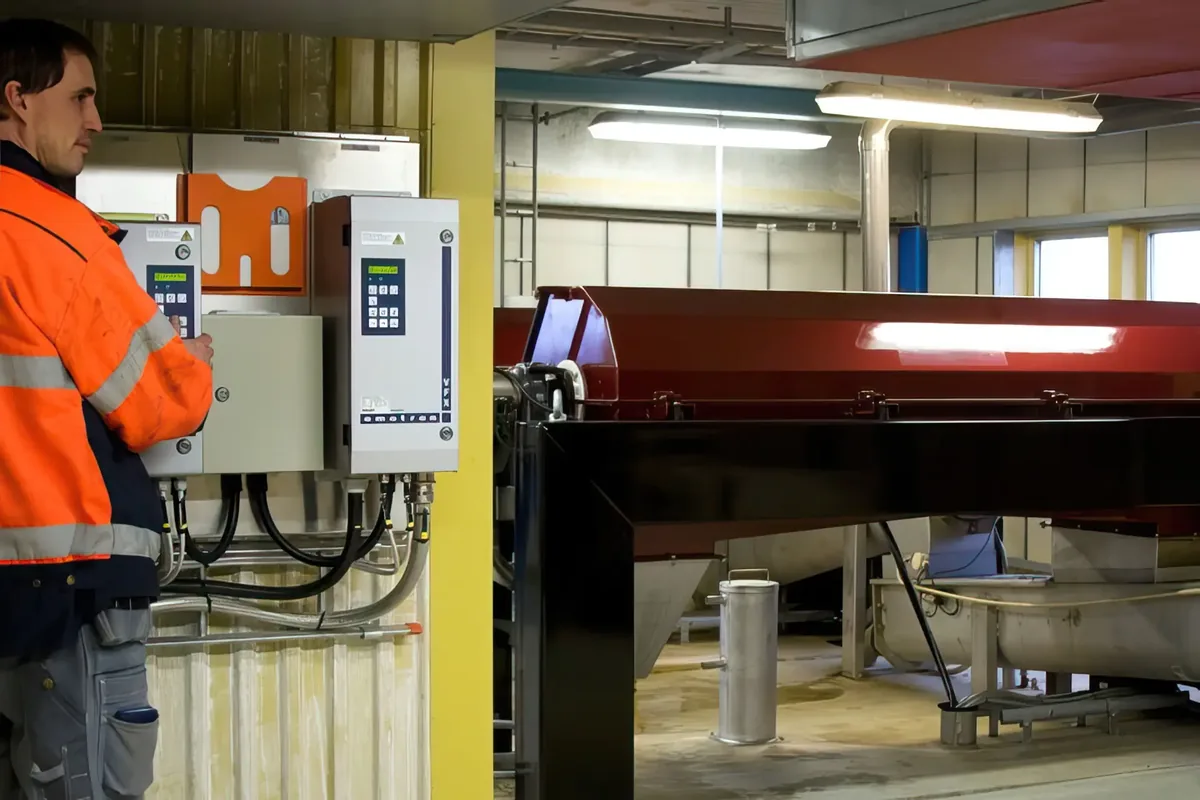
El reto: coordinar dos motores y recuperar la energía de frenado
Las centrífugas decantadoras son equipos de separación usados en deshidratación de lodos, industria alimentaria y agroindustria. Trabajan a velocidades de hasta 3,600 rpm con dos motores que operan de forma independiente: uno impulsa el tambor a alta velocidad y otro frena el tornillo transportador interno, que gira ligeramente más despacio para transportar el sólido separado hacia la descarga. La diferencia de velocidad entre ambos — el diferencial — define la eficiencia de separación. Los sistemas de frenado convencionales disipan la energía regenerada por el motor de frenado en resistencias eléctricas que se calientan, se desgastan y requieren mantenimiento periódico. Además, el control independiente de cada motor hace difícil mantener el diferencial correcto frente a cambios en la alimentación o en las propiedades del material.
- Energía de frenado desperdiciada como calor en resistencias eléctricas
- Infraestructura adicional de resistencias de frenado con mantenimiento periódico
- Dificultad para mantener el diferencial correcto ante variaciones en la alimentación
- Costos operativos elevados por el consumo energético neto de los dos motores
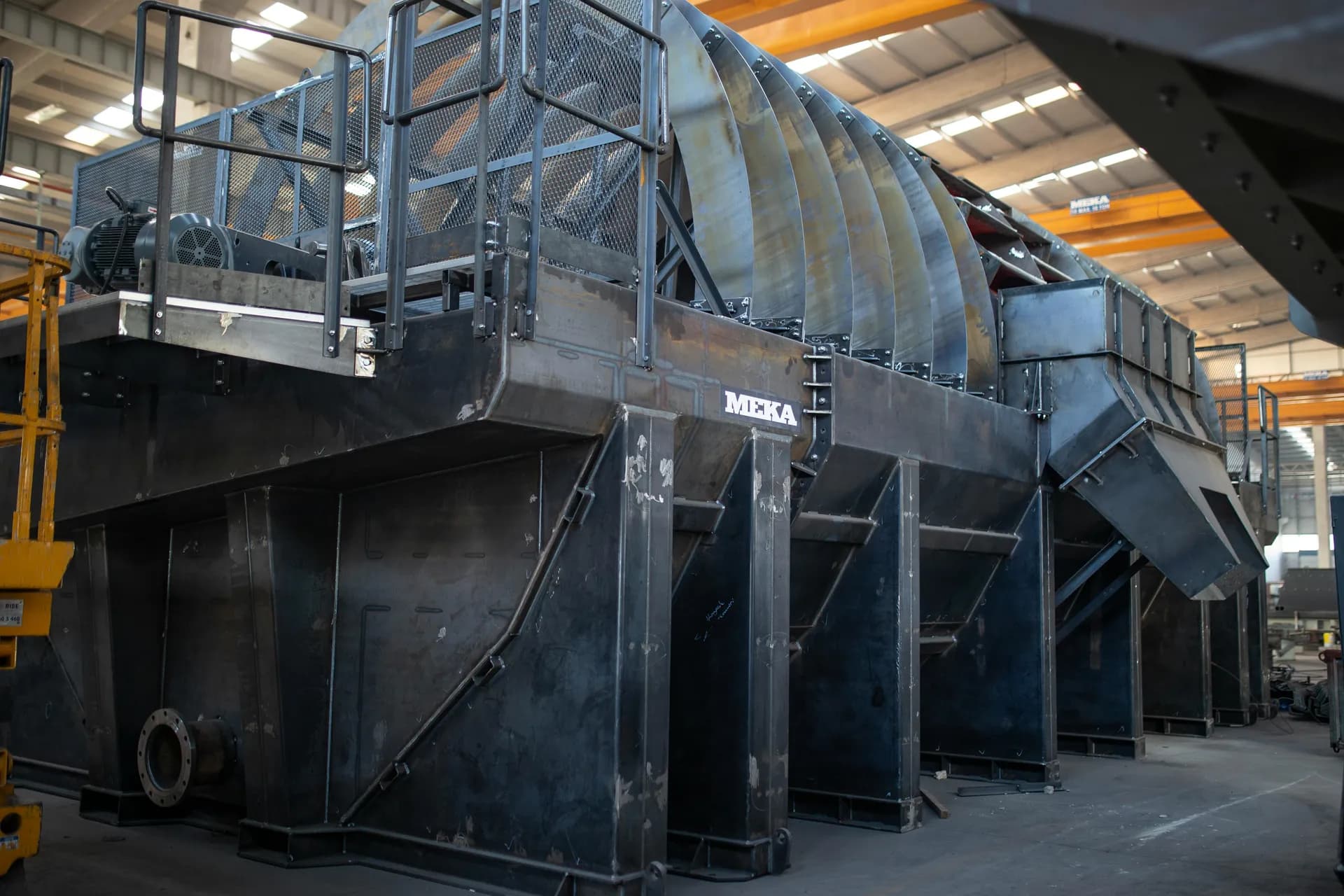
La solución Emotron
La solución Emotron
Los variadores de CA Emotron resuelven este desafío de forma elegante: los dos variadores —uno para el motor impulsor y otro para el motor de frenado— se interconectan a través de un bus de DC compartido. Cuando el motor de frenado regenera energía al desacelerar el tornillo transportador, esa energía fluye directamente por el bus DC al motor impulsor del tambor en lugar de disiparse como calor. Las resistencias de frenado dejan de ser necesarias. El resultado es una operación confiable y eficiente en energía con control independiente de las velocidades del tambor y del tornillo, menor costo eléctrico y eliminación de la infraestructura y el mantenimiento asociado a las resistencias de frenado. E3 Solutions especifica, suministra e instala la solución completa en Guatemala.
Equipo recomendado
Productos Emotron recomendados para centrífugas
La solución óptima para centrífugas decantadoras combina variadores con capacidad de DC-link compartido y monitoreo de potencia en eje. Estas son las opciones que E3 Solutions especifica habitualmente en este tipo de proyectos.
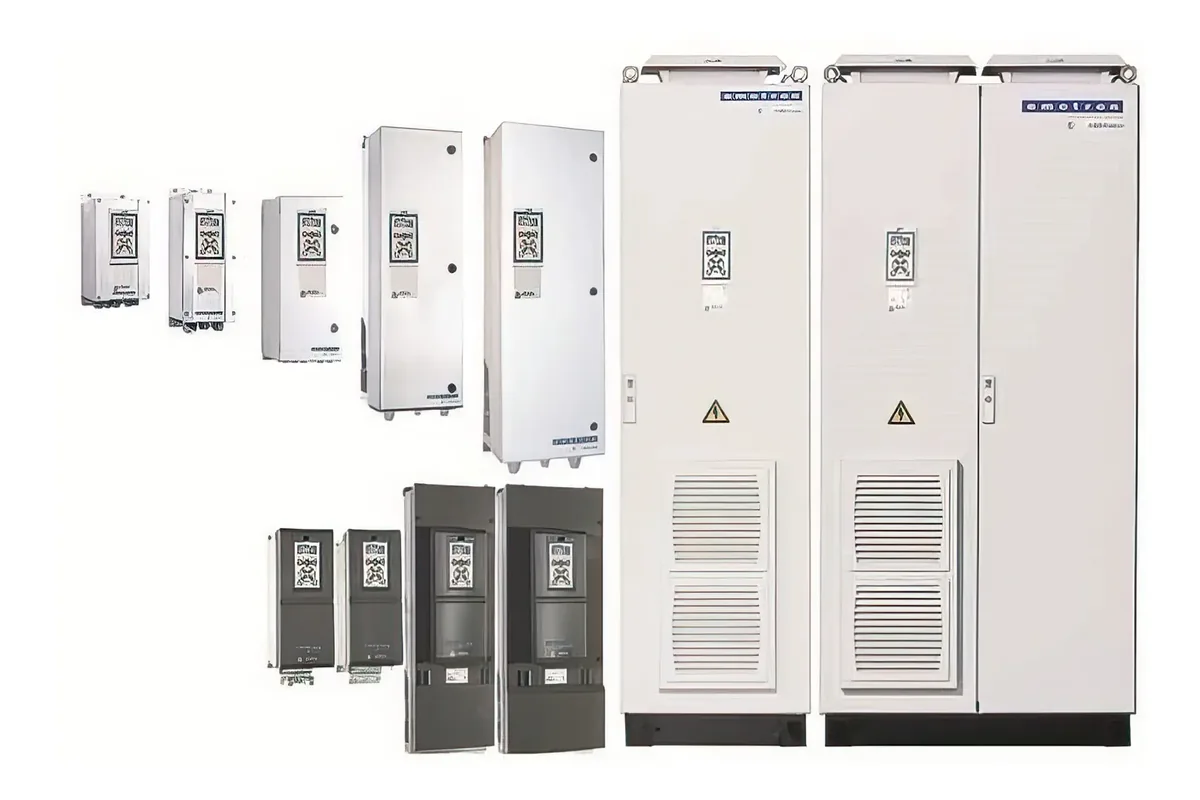
Emotron VFX
El variador VFX ofrece control dinámico de torque directo para coordinar con precisión el tambor y el tornillo transportador, y admite configuración en DC-link compartido para la recuperación de energía de frenado.
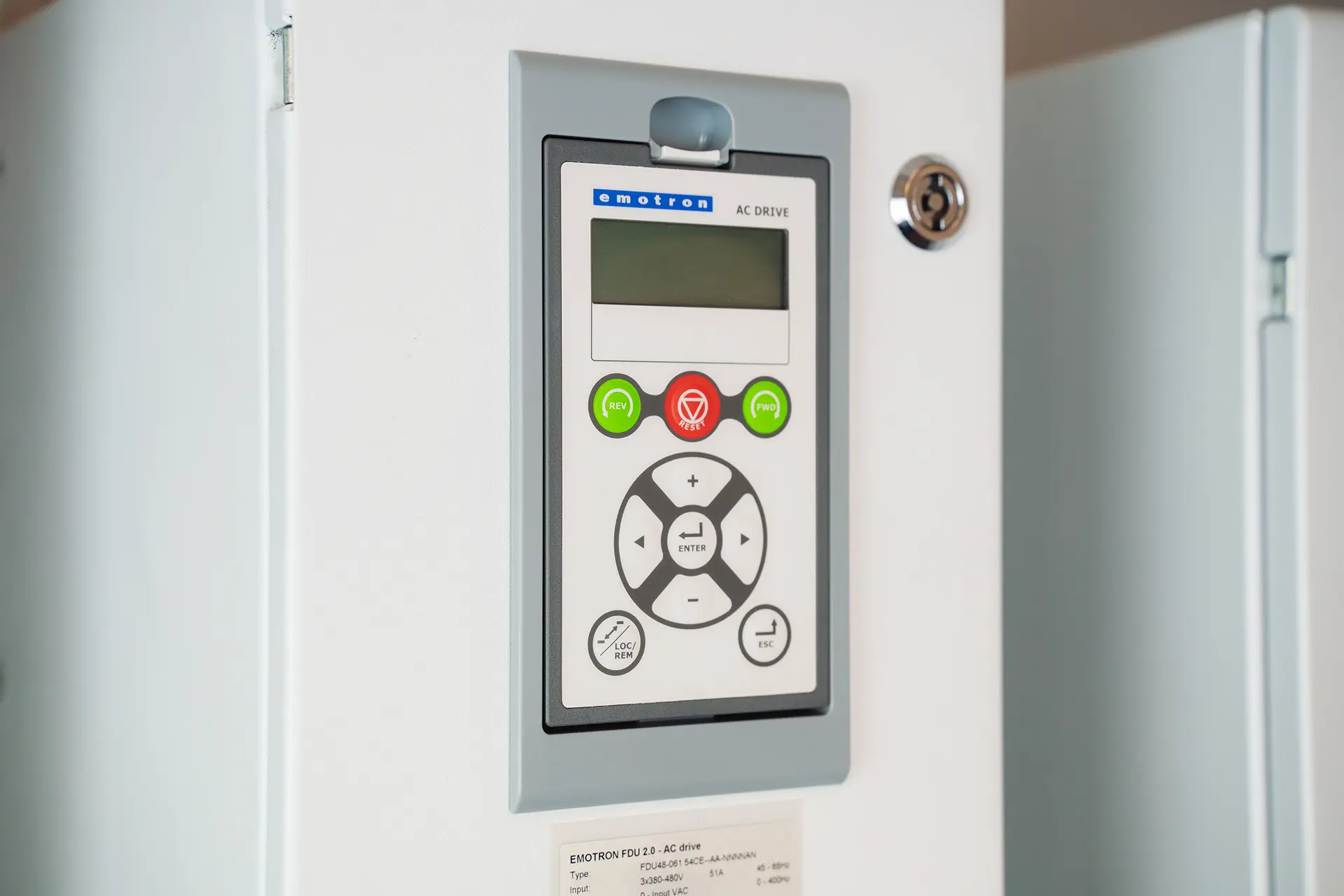
Ver productoEmotron FDU
El variador FDU proporciona control de velocidad confiable y puede integrarse en la arquitectura de DC-link compartido para las aplicaciones de centrífuga donde se requiere una solución robusta y de bajo costo.
Ver producto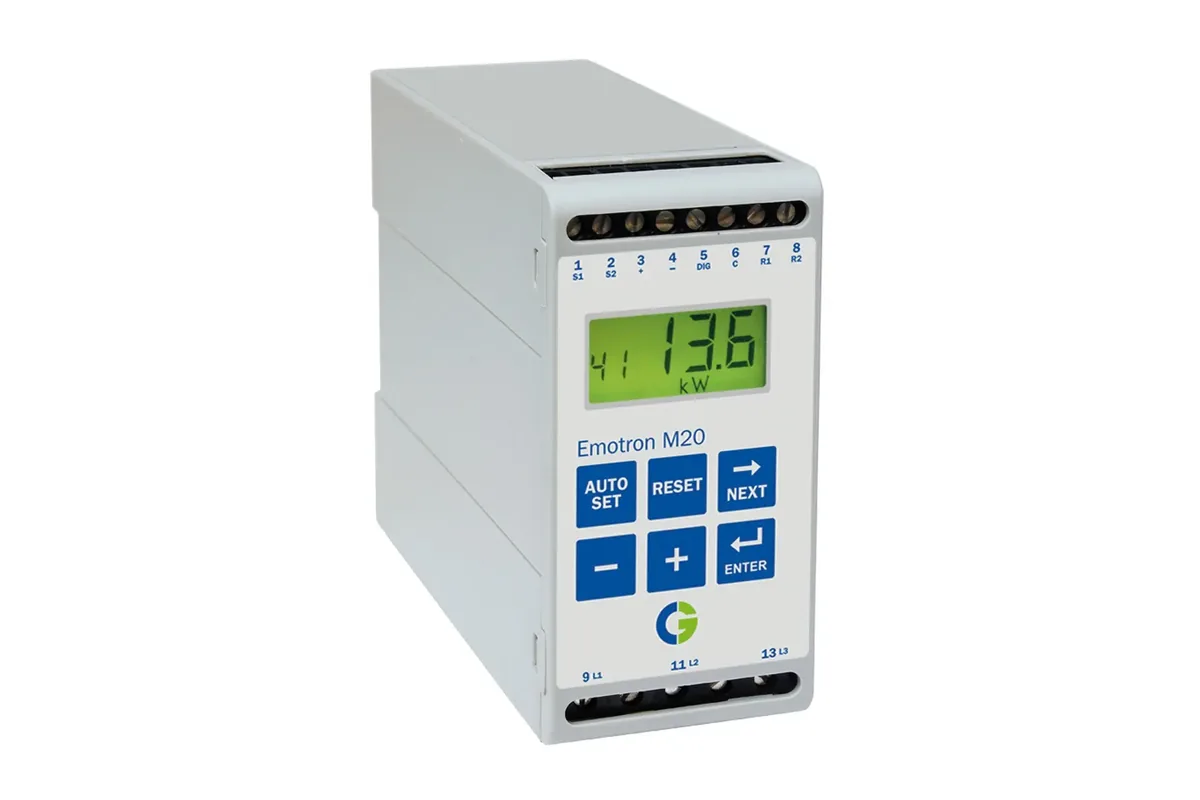
Emotron M20
El monitor de potencia en eje M20 detecta sobrecargas y cargas insuficientes en el tambor o el tornillo sin sensores externos, alertando sobre cambios en las propiedades del material o posibles obstrucciones.
Ver productoCaracterísticas clave
Características clave del control de centrífugas
Las funciones que permiten una operación eficiente, coordinada y de bajo costo en centrífugas decantadoras industriales.
Recuperación de energía por DC-link compartido
Los variadores interconectados por bus DC transfieren la energía regenerada por el motor de frenado directamente al motor impulsor, eliminando el desperdicio en resistencias y reduciendo el consumo eléctrico neto del sistema.
Control de torque directo para velocidades altas
El control de torque directo del VFX permite gestionar con precisión la diferencia de velocidad entre el tambor y el tornillo transportador incluso a 3,600 rpm, manteniendo el diferencial óptimo para cada tipo de material.
Control independiente de tambor y tornillo
Cada motor cuenta con su propio variador, lo que permite ajustar las velocidades de forma independiente para adaptarse a cambios en la alimentación, en la densidad del lodo o en los requisitos de deshidratación.
Eliminación de resistencias de frenado
Al recuperar la energía de frenado a través del bus DC, las resistencias de frenado dejan de ser necesarias, lo que simplifica la instalación, elimina un componente que requiere mantenimiento y reduce el calor generado en el cuarto eléctrico.
Beneficios
Beneficios de automatizar sus centrífugas con Emotron
Lo que una planta de deshidratación o procesamiento gana al instalar variadores Emotron en sus centrífugas decantadoras.
- Recuperación de la energía de frenado para consumo interno, reduciendo el costo eléctrico
- Eliminación de resistencias de frenado y del mantenimiento asociado
- Control preciso del diferencial para optimizar la eficiencia de separación
- Operación confiable a altas velocidades con control de torque directo
- Adaptación dinámica a cambios en la alimentación o en las propiedades del material
- Instalación y puesta en marcha por técnicos certificados de E3 Solutions en Guatemala
Recursos
Aprenda más sobre control de motores para separación industrial
 8 min de lectura
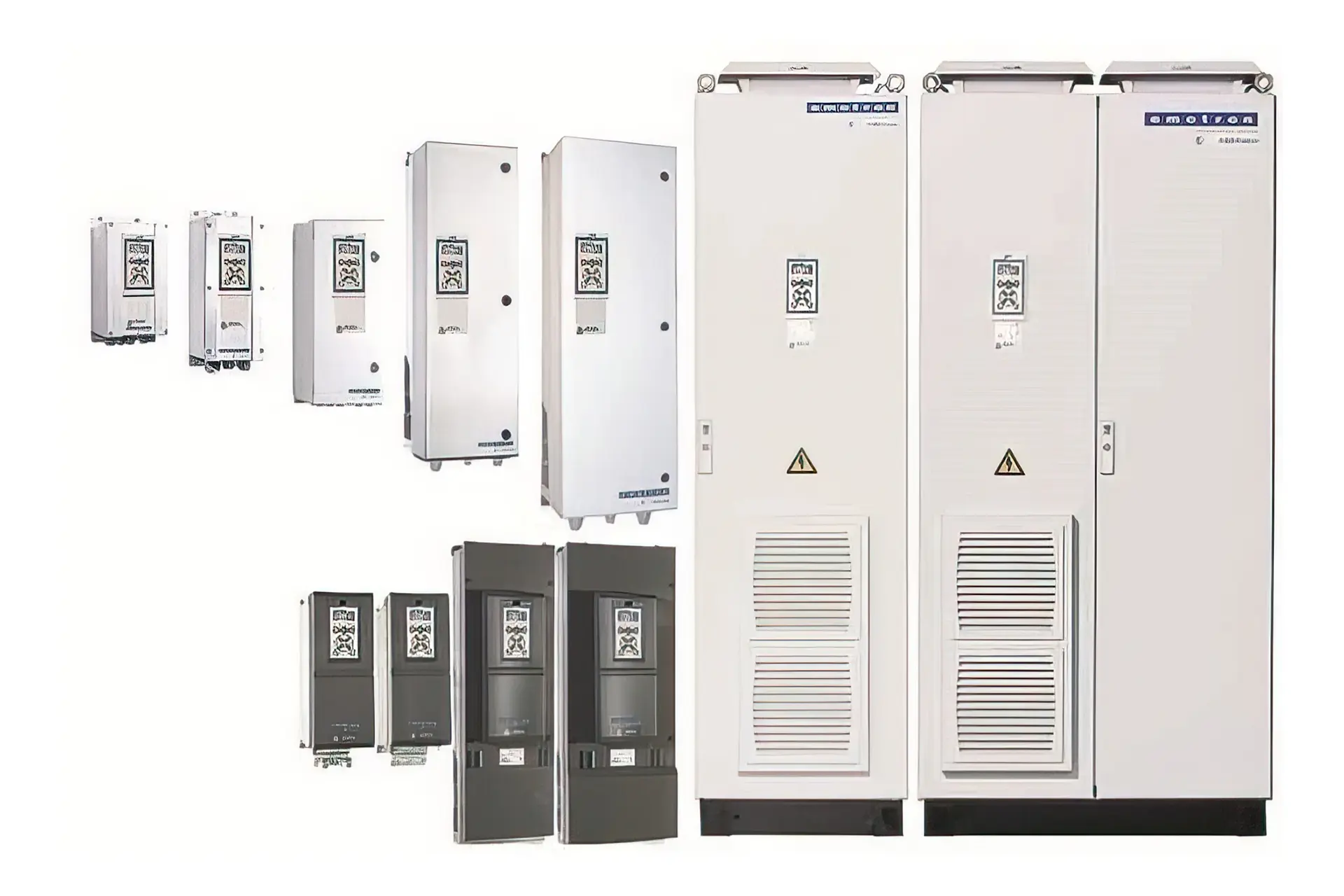
Variador de frecuencia vs arrancador suave
Compare función, costo, ahorro energético y aplicaciones para elegir el equipo correcto desde el principio.
Leer guía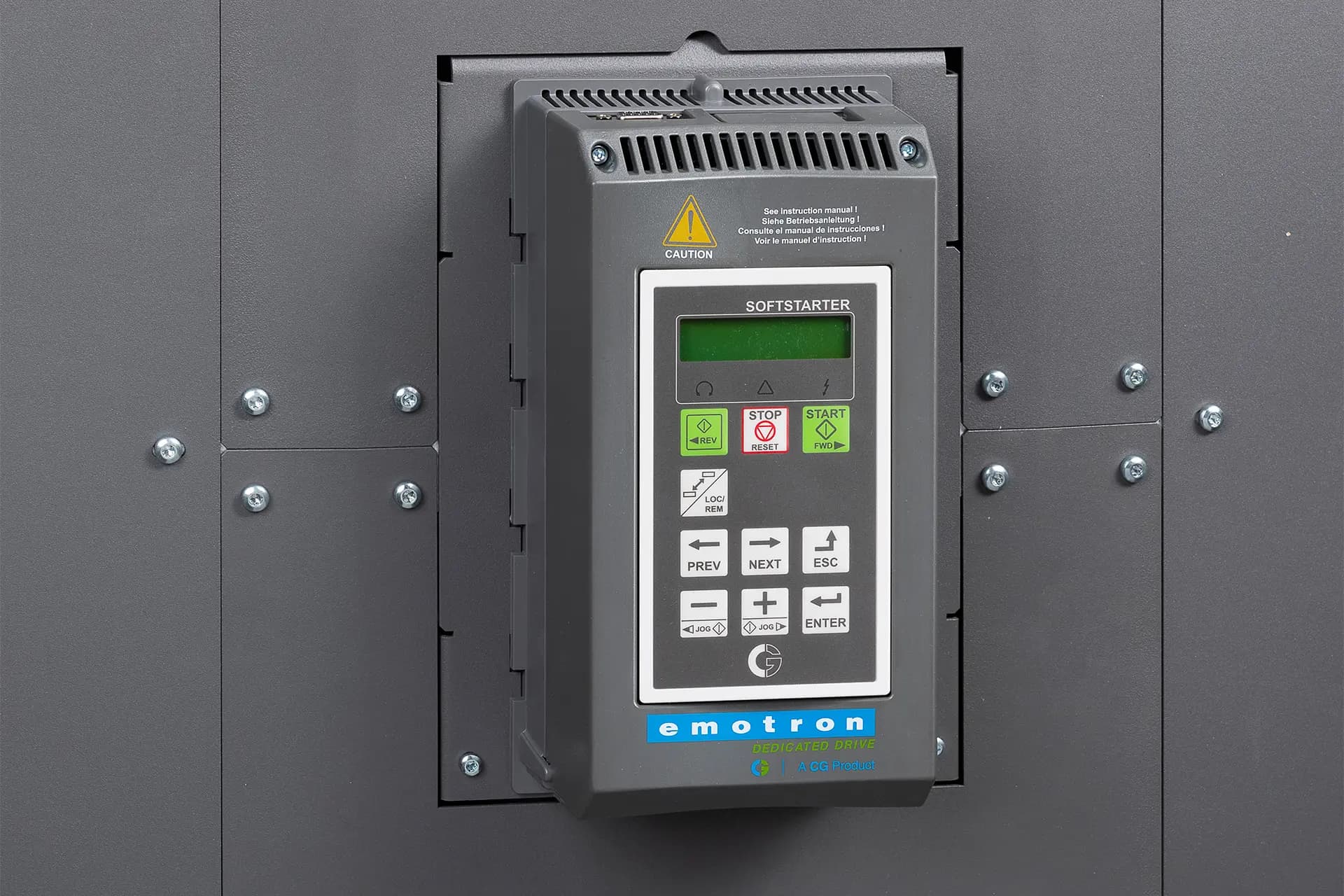 8 min de lectura
¿Qué es un arrancador suave?
Qué hace, cómo funciona y cuándo conviene usar un arrancador suave en un motor trifásico industrial — guía técnica de E3 Solutions.
Leer guíaPreguntas frecuentes
Preguntas frecuentes sobre automatización de centrífugas
¿Necesita optimizar sus centrífugas decantadoras?
Cuéntenos sobre su aplicación de centrífugas y le proponemos la solución Emotron adecuada, con recuperación de energía y eliminación de resistencias de frenado.