Emotron applications · Separation and dewatering
Decanter centrifuge automation and control
Decanter centrifuges operate with two motors that must be precisely coordinated: one drives the drum and the other brakes the screw conveyor. Without intelligent electronic control, the energy generated during braking is dissipated as heat in resistors, and operating and maintenance costs escalate. As the official Emotron distributor in Central America, E3 Solutions integrates Emotron drives in Guatemala so the braking motor returns its energy to the drive motor through a shared DC bus, eliminating braking resistors and reducing overall electricity consumption.
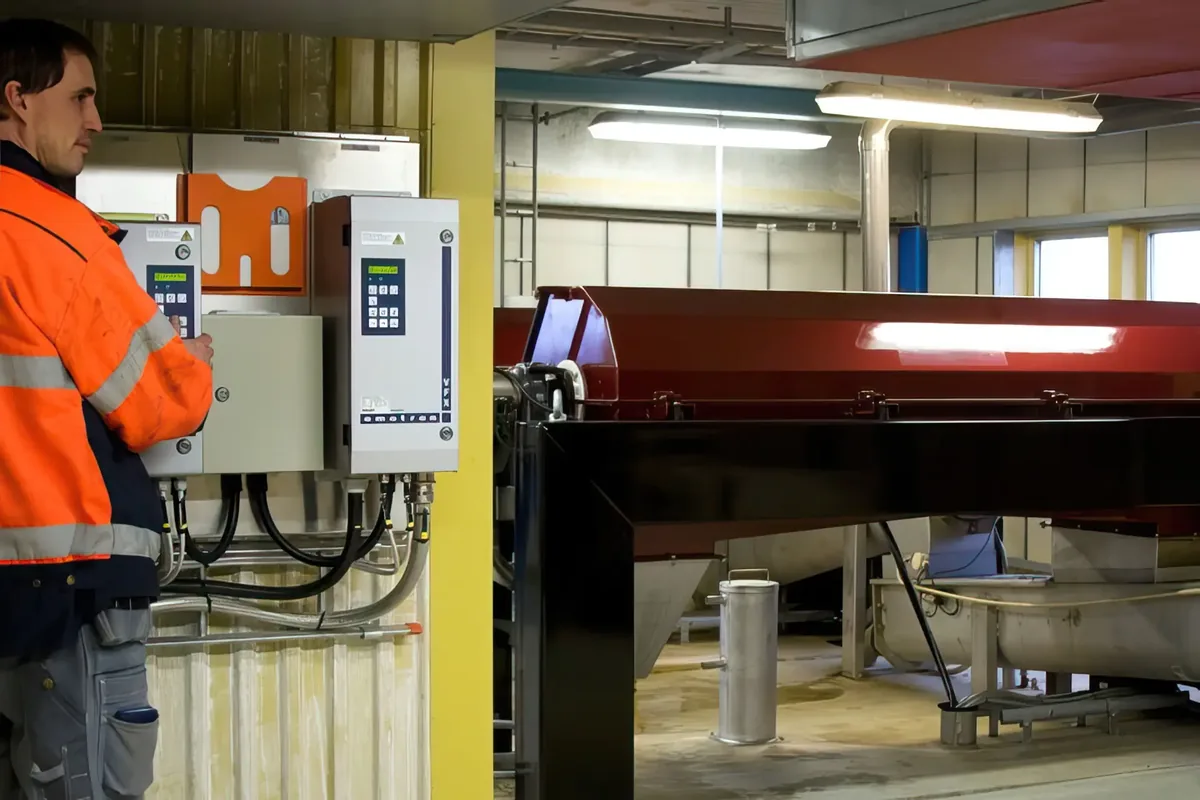
The challenge: coordinating two motors and recovering braking energy
Decanter centrifuges are separation equipment used in sludge dewatering, food and agro-industry. They run at speeds up to 3,600 rpm with two motors operating independently: one drives the drum at high speed and the other brakes the internal screw conveyor, which turns slightly slower to transport the separated solid towards the discharge. The speed difference between them — the differential — defines separation efficiency. Conventional braking systems dissipate the energy regenerated by the braking motor in electrical resistors that heat up, wear out and require periodic maintenance. Additionally, independent control of each motor makes it difficult to maintain the correct differential in the face of changes in feed rate or material properties.
- Braking energy wasted as heat in electrical braking resistors
- Additional braking resistor infrastructure requiring periodic maintenance
- Difficulty maintaining the correct differential when feed rate or material properties change
- High operating costs from the net energy consumption of both motors
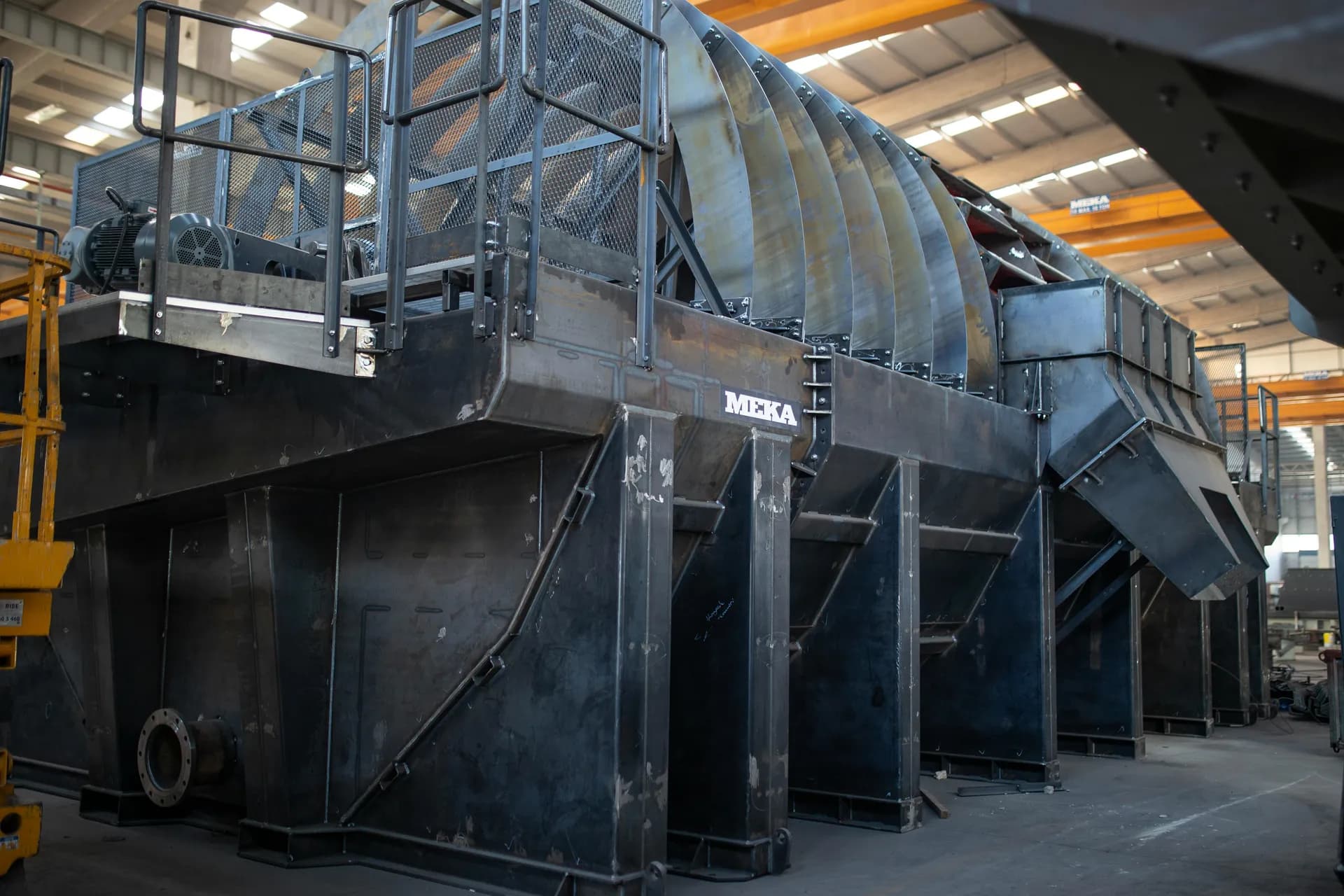
The Emotron solution
The Emotron solution
Emotron AC drives solve this challenge elegantly: the two drives — one for the drive motor and one for the braking motor — are interconnected through a shared DC bus. When the braking motor regenerates energy while decelerating the screw conveyor, that energy flows directly through the DC bus to the drum drive motor instead of being wasted as heat. Braking resistors become unnecessary. The result is reliable, energy-efficient operation with independent control of drum and screw conveyor speeds, lower electricity cost and elimination of the braking resistor infrastructure and its associated maintenance. E3 Solutions specifies, supplies and installs the complete solution in Guatemala.
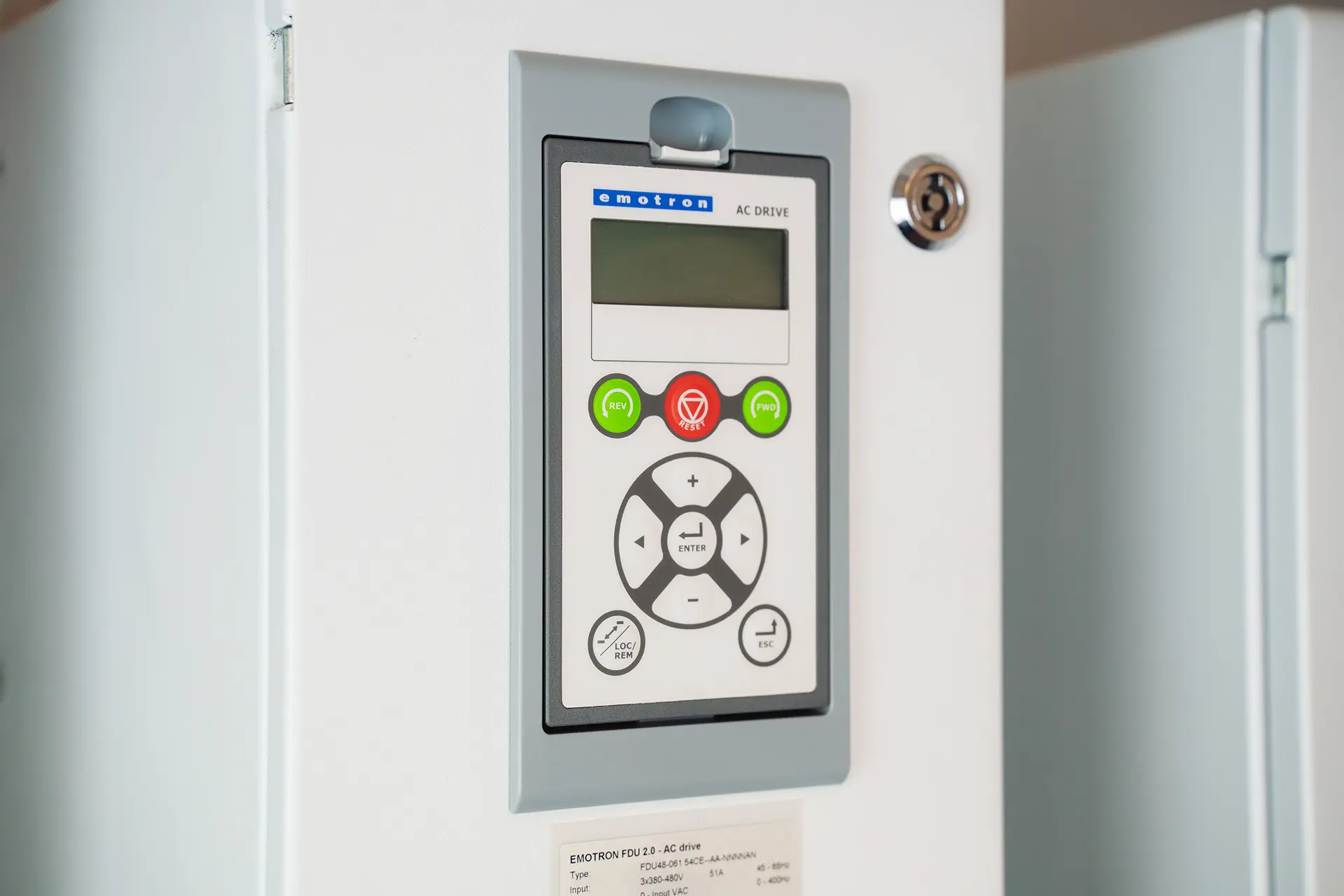
Recommended equipment
Recommended Emotron products for centrifuges
The optimal solution for decanter centrifuges combines drives with shared DC-link capability and shaft power monitoring. These are the options E3 Solutions typically specifies for this type of project.
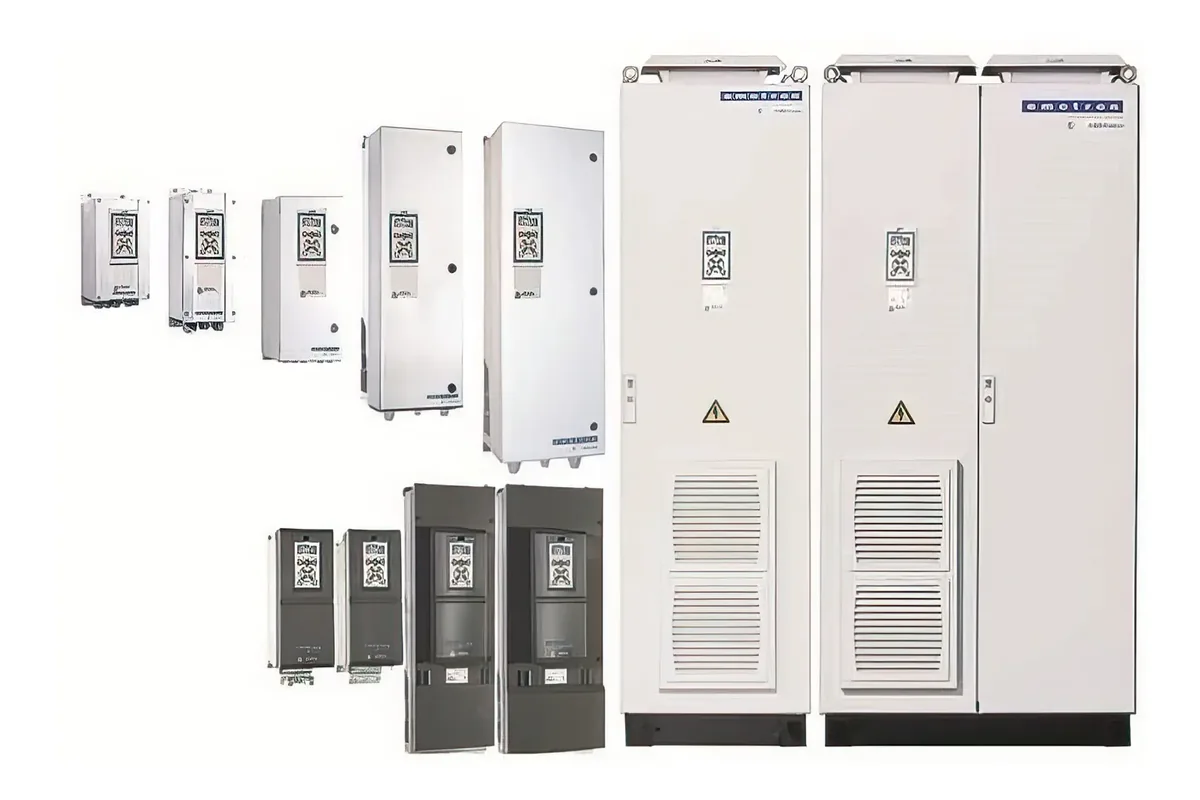
Emotron VFX
The VFX drive delivers precise dynamic direct torque control to coordinate the drum and screw conveyor, and supports shared DC-link configuration for braking energy recovery.
View productEmotron FDU
The FDU drive provides reliable speed control and can be integrated into the shared DC-link architecture for centrifuge applications where a robust, cost-effective solution is needed.
View product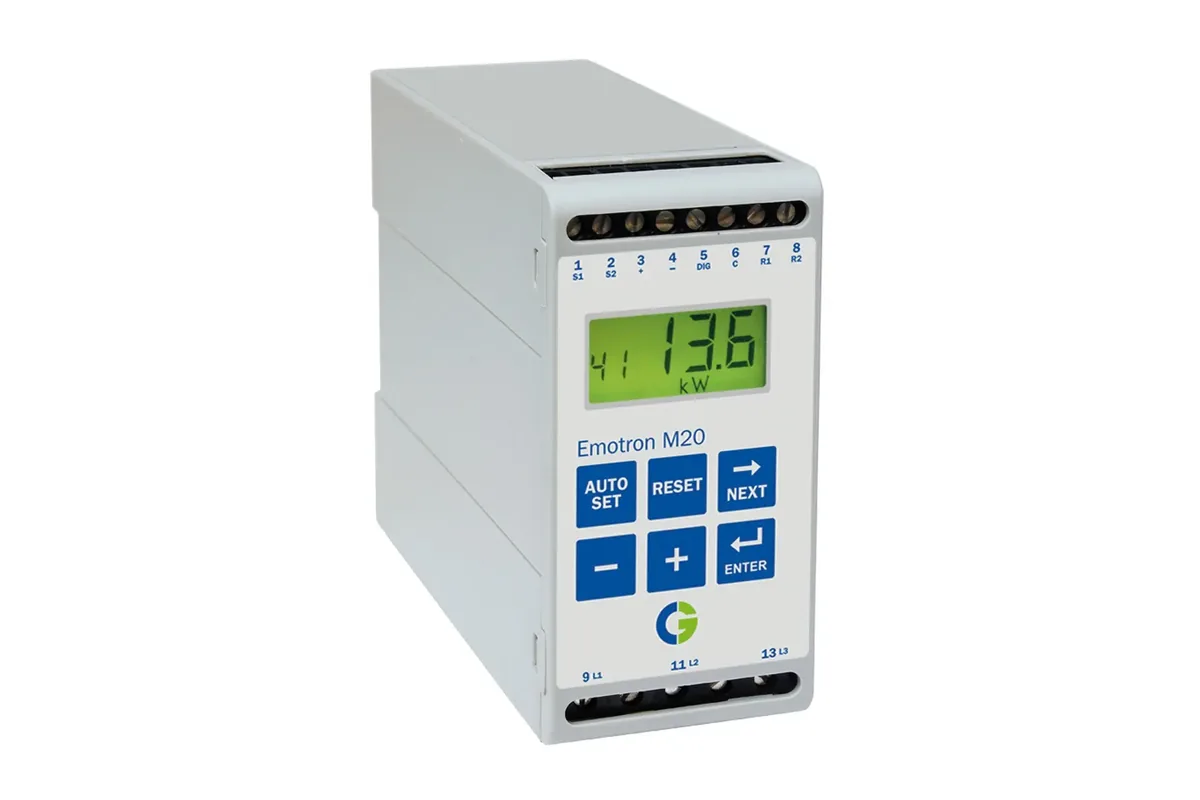
Emotron M20
The M20 shaft power monitor detects overloads and underloads on the drum or screw conveyor without external sensors, alerting to changes in material properties or potential blockages.
View productKey features
Key features of centrifuge control
The functions that enable efficient, coordinated and low-cost operation in industrial decanter centrifuges.
Energy recovery via shared DC-link
Drives interconnected via DC bus transfer energy regenerated by the braking motor directly to the drive motor, eliminating waste in resistors and reducing the system's net electricity consumption.
Direct torque control for high speeds
The VFX direct torque control enables precise management of the speed difference between drum and screw conveyor even at 3,600 rpm, maintaining the optimal differential for each material type.
Independent drum and screw conveyor control
Each motor has its own drive, allowing independent speed adjustment to adapt to changes in feed rate, sludge density or dewatering requirements.
Elimination of braking resistors
By recovering braking energy through the DC bus, braking resistors are no longer needed, simplifying the installation, eliminating a component that requires maintenance and reducing the heat generated in the electrical room.
Benefits
Benefits of automating your centrifuges with Emotron
What a dewatering or processing plant gains by installing Emotron drives on its decanter centrifuges.
- Braking energy recovery for internal consumption, reducing electricity cost
- Elimination of braking resistors and their associated maintenance
- Precise differential control to optimize separation efficiency
- Reliable operation at high speeds with direct torque control
- Dynamic adaptation to changes in feed rate or material properties
- Installation and commissioning by certified E3 Solutions technicians in Guatemala
Resources
Learn more about motor control for industrial separation
 8 min read
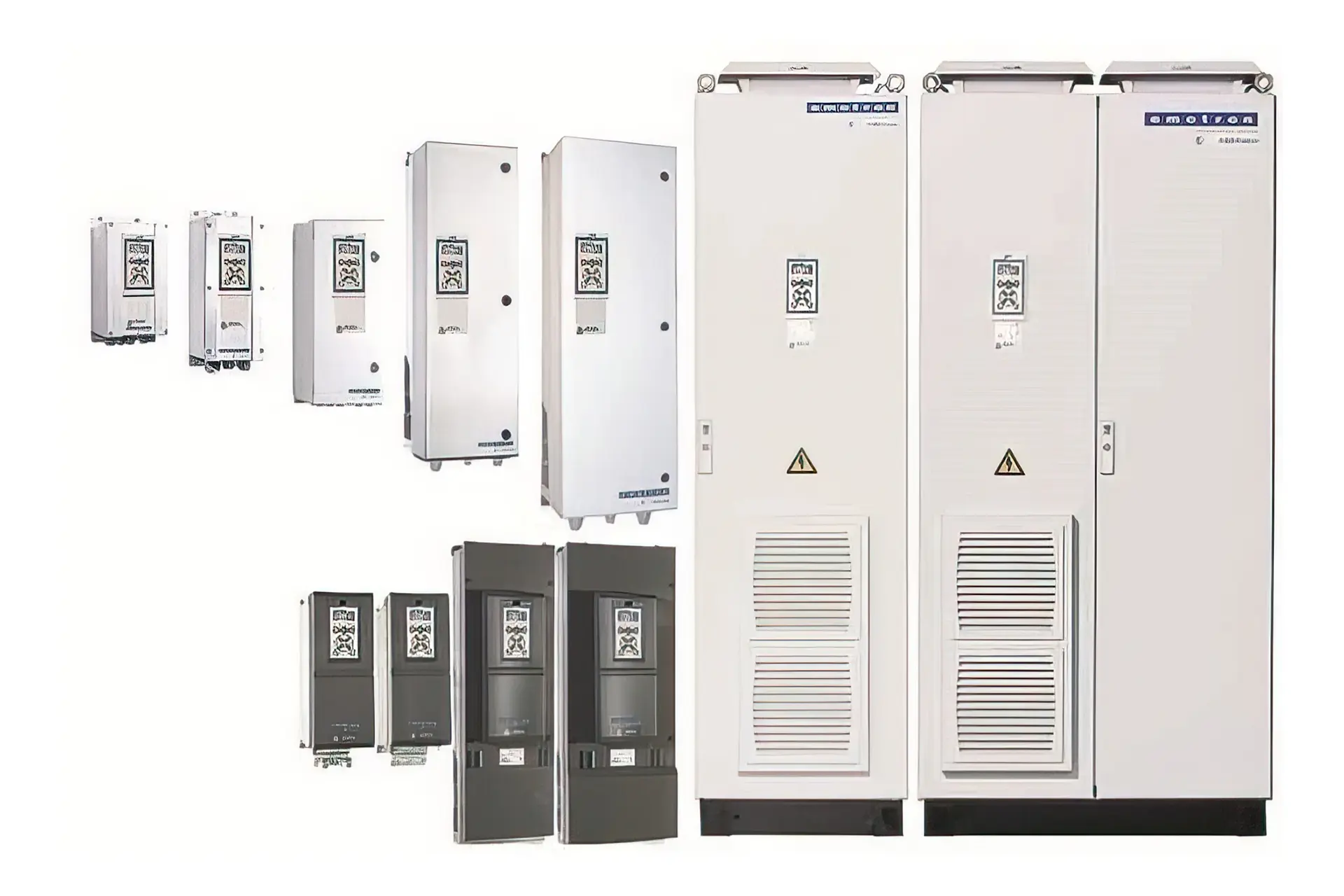
Variable frequency drive vs soft starter
Compare function, cost, energy savings, and applications to choose the right equipment from the start.
Read guide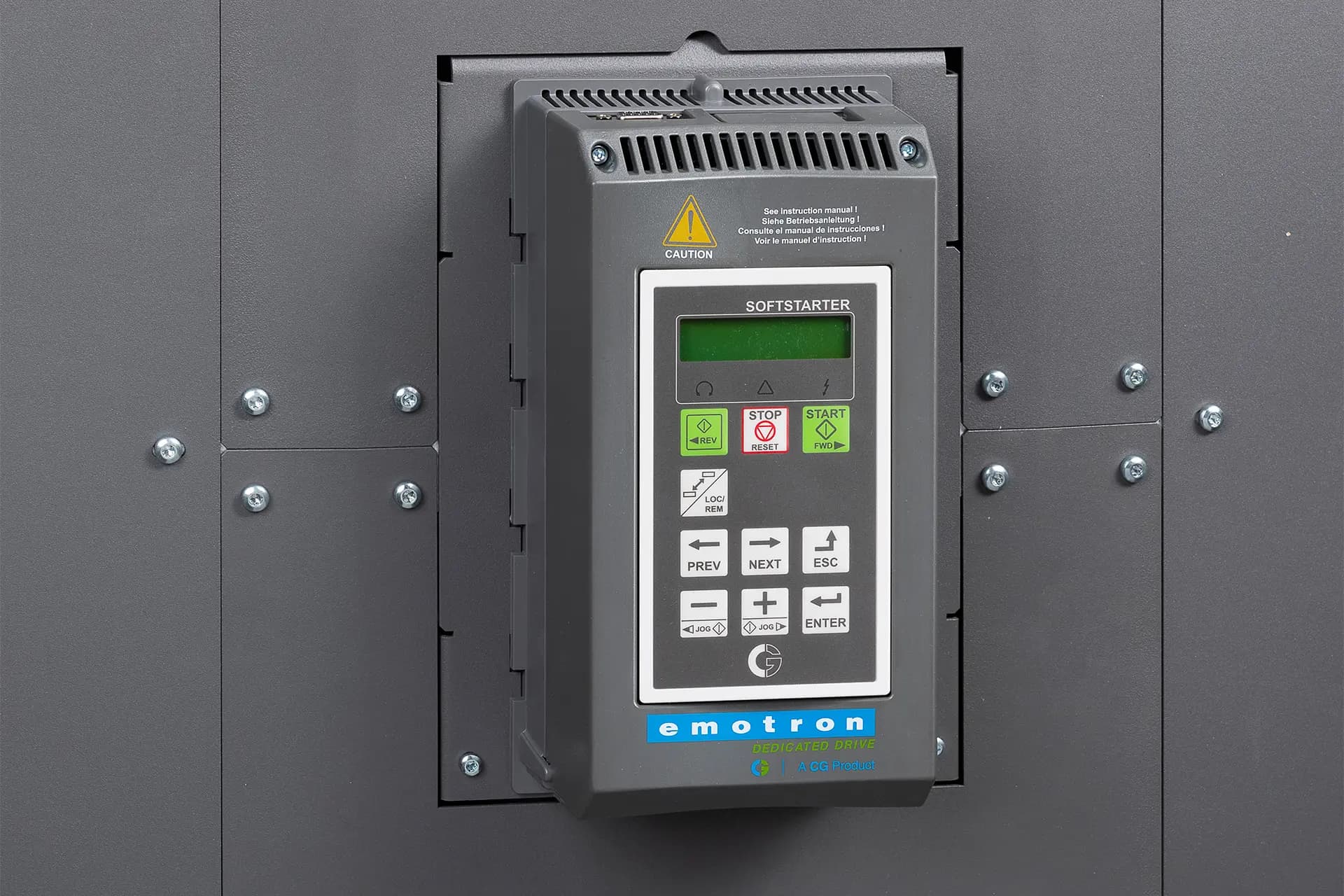 8 min read
What is a soft starter?
What it does, how it works, and when to use a soft starter on a three-phase industrial motor — technical guide by E3 Solutions.
Read guideFAQ
Frequently asked questions about centrifuge automation
Need to optimize your decanter centrifuges?
Tell us about your centrifuge application and we will propose the right Emotron solution, with energy recovery and braking resistor elimination.